


Inside a Leading Creative Design Studio Essentials
- Otávio Santiago
- 4 days ago
- 4 min read
Walking into a creative studio is like stepping into a vibrant ecosystem where ideas bloom and transform into visual stories. Have you ever wondered what fuels the magic behind those compelling designs that captivate audiences? It’s not just talent or technology—it’s a carefully crafted environment, a blend of culture, tools, and processes that together shape the creative journey. Today, I want to take you inside a leading creative studio essentials, sharing insights that illuminate how impactful design solutions come to life.

The Heartbeat of a Creative Studio Essentials
At the core of any successful creative studio lies a culture that nurtures curiosity and collaboration. This is where ideas are born, challenged, and refined. The atmosphere is often a delicate balance between structured workflows and spontaneous creativity. How do studios maintain this balance? By fostering open communication and encouraging risk-taking without fear of failure.
In practical terms, this means creating spaces that inspire. Think of open-plan work areas flooded with natural light, walls adorned with mood boards, and cozy corners for brainstorming sessions. These physical elements are more than aesthetics—they are catalysts for creativity.
Moreover, the team dynamics play a crucial role. Diverse skill sets and perspectives fuel innovation. Designers, strategists, and clients engage in continuous dialogue, ensuring that every project aligns with the brand’s vision and resonates emotionally with its audience.

Tools and Technology: The Creative Studio Essentials Toolbox
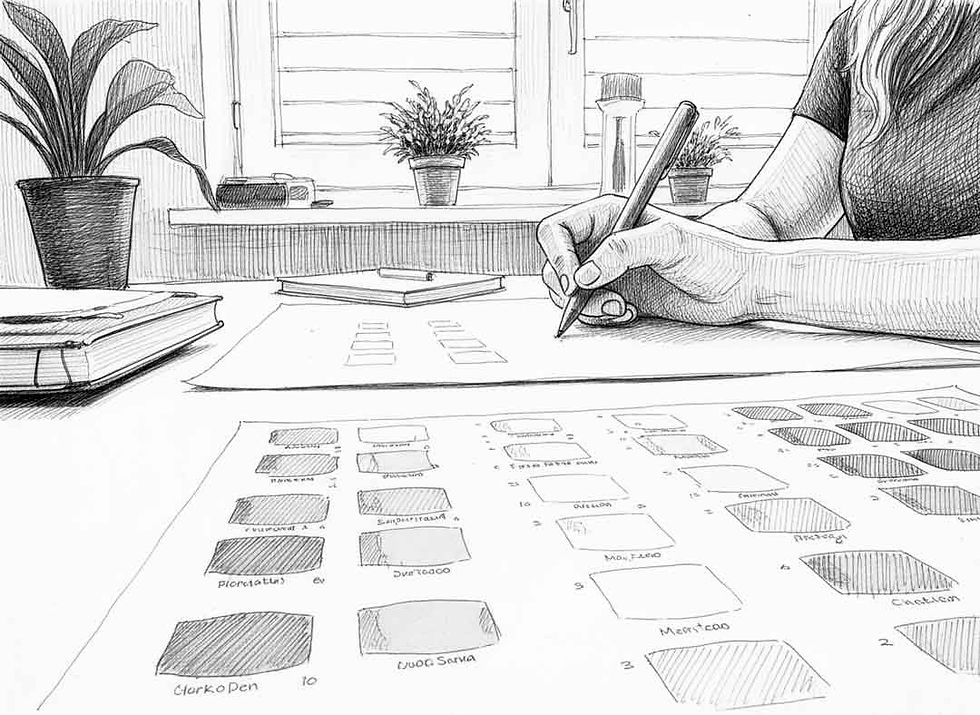
What tools do creative studios rely on to turn concepts into reality? The answer is a mix of traditional craftsmanship and cutting-edge technology. While digital software like Adobe Creative Suite, Sketch, and Figma dominate the scene, there’s still room for hand-drawn sketches and tactile prototyping.
A well-equipped studio invests in high-resolution monitors, color calibration tools, and fast computers to ensure precision and efficiency. Cloud-based collaboration platforms like Slack and Trello keep teams connected and projects on track, especially when working across locations like Berlin and Lisbon.
But technology alone isn’t enough. The real power lies in how these tools are used. For example, iterative design processes allow for rapid prototyping and feedback loops, enabling teams to refine ideas quickly and effectively. This agility is essential in meeting tight deadlines without compromising quality.
The Role of Storytelling in Design
Design is not just about aesthetics; it’s about storytelling. Every visual element should serve a purpose and convey a message that resonates. How do studios ensure their designs tell compelling stories?
It starts with understanding the brand’s identity and audience. Through research and empathy, designers uncover the emotional core that drives the brand’s narrative. This insight shapes every decision—from color palettes and typography to imagery and layout.
For instance, a brand aiming to evoke trust and reliability might lean towards clean lines, muted colors, and straightforward messaging. Conversely, a brand that wants to inspire excitement and innovation might opt for bold colors, dynamic shapes, and playful typography.
In this way, design becomes a language that speaks directly to the viewer’s emotions, creating memorable and impactful experiences.
Collaboration: The Invisible Thread in Creative Studio Essentials
No creative studio operates in isolation. Collaboration is the invisible thread weaving together ideas, skills, and perspectives. How does this collaboration manifest in daily practice?
Regular brainstorming sessions, design critiques, and client workshops are standard. These interactions encourage feedback and foster a sense of shared ownership over the project. It’s not uncommon for a simple comment during a meeting to spark a breakthrough idea.
Additionally, cross-disciplinary collaboration enriches the creative process. For example, pairing a graphic designer with a copywriter ensures that visuals and text complement each other seamlessly. Similarly, involving marketing experts early on helps align design with strategic goals.
This collaborative spirit extends beyond the studio walls. Engaging clients as partners rather than just recipients of a service leads to more authentic and effective design solutions.
Building a Brand Through Design: A Studio’s Perspective
How does a creative studio contribute to building a brand? The answer lies in consistency and emotional resonance. A brand is more than a logo or a color scheme—it’s an experience that unfolds across every touchpoint.
A leading studio crafts visual identities that are flexible yet cohesive. This means developing guidelines that allow for creativity while maintaining brand integrity. From packaging and websites to social media and advertising, every element should feel like part of a unified story.
Moreover, studios focus on creating designs that evoke emotions. Whether it’s excitement, trust, or nostalgia, these feelings forge connections between the brand and its audience. This emotional bond is what turns casual viewers into loyal customers.
By partnering with a creative design studio, brands gain access to this expertise, ensuring their visual stories are not only beautiful but also meaningful and memorable.
The Future of Creative Studios: Trends and Adaptations
What does the future hold for creative studios? As technology evolves and markets shift, studios must adapt to stay relevant. Remote work, for example, has transformed how teams collaborate, making digital communication tools indispensable.
Sustainability is another growing focus. Studios are increasingly mindful of environmental impact, opting for eco-friendly materials and processes. This commitment resonates with audiences who value responsible brands.
Artificial intelligence and augmented reality are also making their way into the creative toolkit, offering new possibilities for immersive and personalized experiences.
Yet, amidst these changes, the essence of a creative studio remains the same: a place where ideas come alive through human ingenuity and passion.
Embracing the Journey of Creativity
Stepping inside a leading creative studio reveals more than just a workspace—it unveils a philosophy. It’s about embracing curiosity, valuing collaboration, and committing to excellence. It’s about telling stories that matter and crafting designs that leave a lasting impression.
If you’re seeking to create impactful visual stories, consider how these essentials can transform your approach. Partnering with a creative design studio that embodies these values can be the key to unlocking your brand’s full potential.
In the end, creativity is a journey, not a destination. How will you shape yours?
Written by Otávio Santiago, a designer crafting visual systems that move between the tactile and the digital. His work combines motion, branding, and 3D exploration with a poetic sense of structure.





Comments