


COP30 climate conference in Belém: Climate Action, Global Diplomacy, and What Design Has to Do With It
- Otávio Santiago
- Nov 17
- 3 min read
COP30 climate conference
When the 30th United Nations Climate Change Conference (COP30) opened in Belém, Brazil, the moment became larger than politics, diplomacy, or environmental policy. It became a global reminder of urgency — and a powerful demonstration of how communication, symbolism, and design shape the world’s understanding of climate action.
As a designer, I often look at international events like this not only through the lens of policy, but through the visual narratives that carry these messages to millions. And COP30 is full of them.

What Is COP30?
COP30 is the annual gathering of countries that signed the UN Framework Convention on Climate Change (UNFCCC). Created during the Rio-92 Earth Summit, the Convention established a global agreement to address climate change based on five pillars:
mitigation
adaptation
climate finance
technology
capacity building
Today, 198 countries participate, making it one of the most significant multilateral bodies in the world.
COP30 is where these nations negotiate how to reduce emissions, support vulnerable populations, and implement commitments made under the Kyoto Protocol and the Paris Agreement.
Why Belém, Why Now?
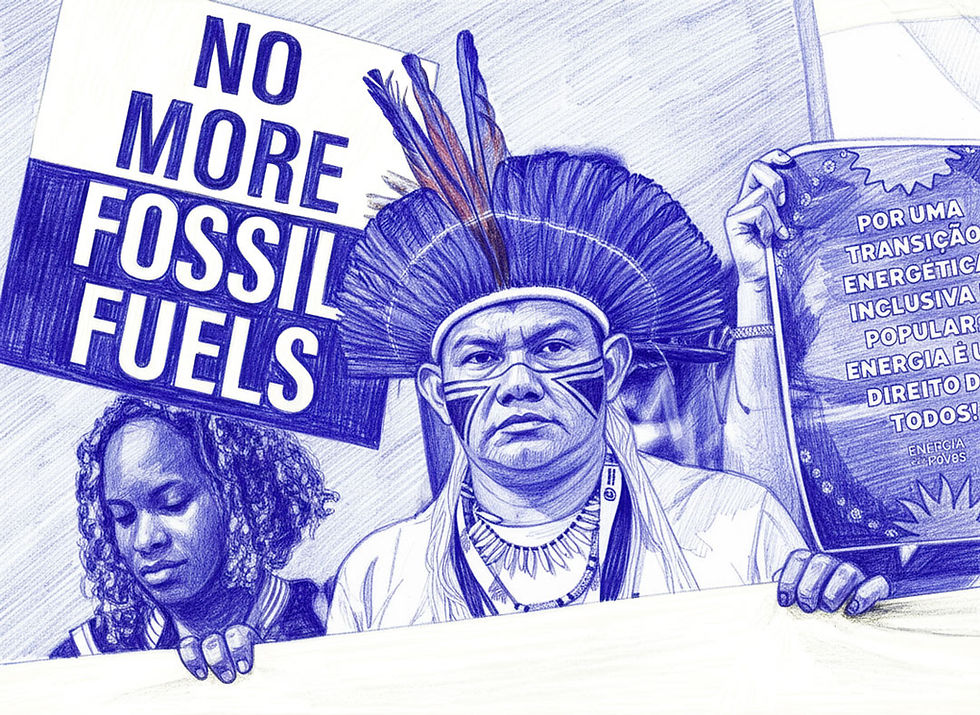
Brazil hosting COP30 in the Amazon carries symbolic and strategic meaning. During the opening ceremony, Brazilian diplomats, governors, and ministers highlighted a message that echoed through every speech:
“This is the COP of Truth.”
Belém is positioned at the heart of the world’s most essential ecosystem — the Amazon — which influences global climate stability, biodiversity, rainfall cycles, and Indigenous stewardship.
Hosting COP30 here forces the world to see climate policy not as an abstract debate, but as a very physical, visible, urgent reality.
The Science Behind COP30
The IPCC (Intergovernmental Panel on Climate Change), with its 195 member nations, provides the scientific foundation for COP decisions. Its reports — prepared by hundreds of experts across three Working Groups — guide negotiations by presenting:
the state of climate science
global warming projections
risks and vulnerabilities
solutions for mitigation and adaptation
COP30 is expected to reinforce the central Paris Agreement goals:
keeping global warming under 1.5°C
strengthening resilience
aligning financial flows with climate solutions
Diplomacy Meets Urgency
During the opening ceremony, Ambassador André Corrêa do Lago underlined a crucial shift: urgency.
Climate change is no longer a distant risk. Floods, heatwaves, wildfires, and storms in Brazil, the Philippines, and around the world—many just weeks before COP30—demonstrate that consequences are here.
He emphasized Brazil’s unique unity for COP30: federal government, state leaders, city mayors, and Indigenous leaders standing together on climate policy.
This unified front is not simply political—it is symbolic storytelling. And that is where design intersects with global policy.
Where Design Meets Climate Action (and Why This Matters for Otavio.Design)
Global events like COP30 don’t communicate themselves.They rely on:
symbols
logos
identity systems
environmental graphics
visual storytelling
typography and color psychology
cultural communication
accessible design
\Design is one of the most powerful tools for shaping how people understand, engage with, and emotionally respond to climate issues.
Here’s how:
1. Turning Science Into Story
Climate science is complex.Design translates data into meaning:
infographics
interactive maps
environmental campaigns
brand identities
educational posts
2. Showing the Human Side of Climate Change
Visual communication bridges emotion and information — the foundation of impactful sustainability campaigns.
3. Designing for Cultural Respect
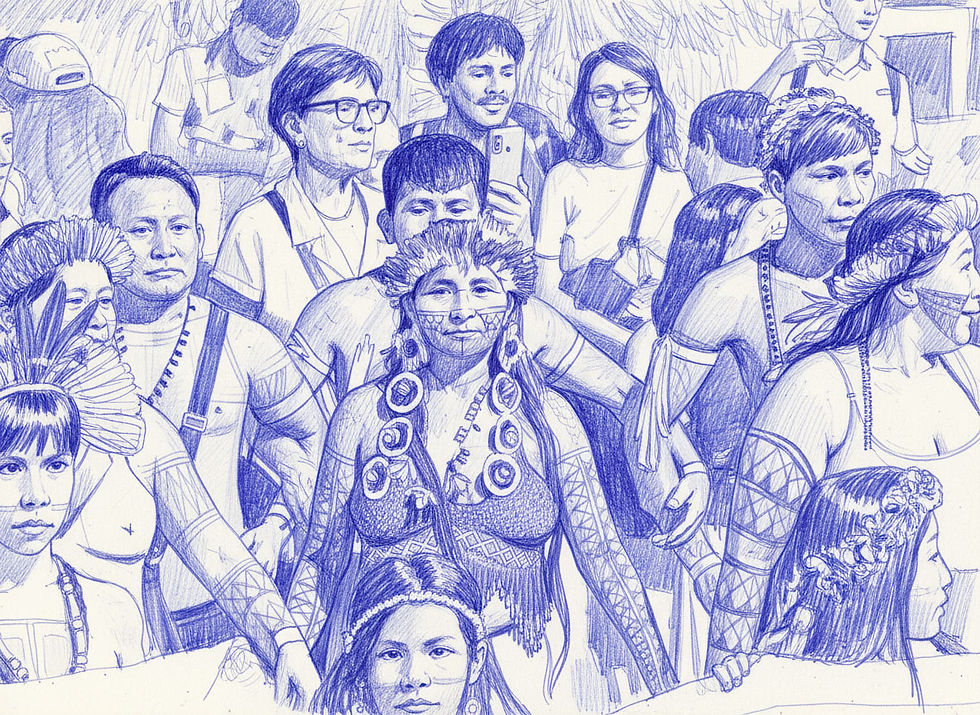
COP30 highlights Indigenous leadership. Good design respects culture, heritage, and symbolic identity.
4. Building Engagement Across Platforms
From government portals to social media, the clarity of the message depends on design choices — typography, clarity, contrast, hierarchy, and accessibility.
5. Creating the “Memory” of the Event
What people remember from COP30 — the visuals, the symbols, the feeling — will influence how they perceive climate action for years.
At otavio.design, sustainability, identity and cultural communication are part of the design philosophy. Large events like COP30 are a living example of how visual design amplifies global narratives and creates emotional impact that policies alone cannot deliver.
A COP of Implementation — and Imagination
COP30 positions itself as a COP of relevance, transparency, and implementation:
turning climate promises into action
integrating climate into economic development
creating frameworks for green jobs
listening to science
amplifying climate justice
But it also reminds creatives, designers, and communicators of our responsibility:
To make climate storytelling engaging, accessible, human, and impossible to ignore. Because design does not just decorate global events.It frames how the world understands them.

Written by Otávio Santiago, a designer crafting visual systems that move between the tactile and the digital. His work combines motion, branding, and 3D exploration with a poetic sense of structure.




Comments